


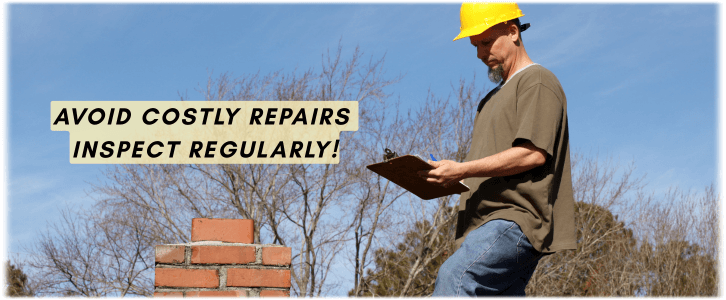
Scheduling a chimney inspection in Pittsburgh, PA gives homeowners a clear understanding of fireplace safety before problems grow serious. Local weather, aging masonry, and frequent winter use place constant stress on chimney systems. Because hidden issues develop quietly, routine evaluations help protect your home and family year after year.
Pittsburgh features many brick homes built decades ago. As a result, chimneys often conceal internal damage that stays invisible from the ground. Regular inspections identify hazards early and support safer fireplace use throughout the heating season.
Why Chimney Inspection Matters in Pittsburgh
Western Pennsylvania experiences long winters, wet springs, and sudden temperature swings. Consequently, moisture and freeze-thaw cycles weaken masonry and liners. A professional evaluation spots deterioration before it affects performance.
Many neighborhoods, including Shadyside, Brookline, and Mount Lebanon, rely on older chimney designs. Therefore, inspections must account for construction style, usage patterns, and exposure. Local experience ensures accurate assessments.
Homes in zip codes like 15213, 15226, and 15228 often burn wood heavily during winter. Because creosote forms faster with frequent use, annual checks reduce fire risk and improve draft efficiency.
What Happens During a Professional Chimney Inspection
A proper inspection evaluates structural condition, flue integrity, and ventilation performance. Technicians examine the firebox, liner, and exterior masonry for visible damage. As a result, homeowners gain clear insight into system health.
Inspectors also check for blockages caused by debris or nesting animals. Restricted airflow increases smoke backup and carbon monoxide concerns. Early detection prevents sudden failures during peak usage.
Many inspections include camera technology to assess internal surfaces. This approach reveals cracks and gaps that standard views miss. Therefore, recommendations rely on verified findings rather than assumptions.
Common Issues Found During Inspections
Cracked flue liners rank among the most common concerns. Heat exposure and age cause tiles to separate over time. Repairing these issues restores proper containment of heat and gases.
Water damage also appears frequently. Failing chimney caps or crowns allow moisture intrusion. Over time, this leads to spalling bricks and weakened mortar joints.
In some cases, inspectors recommend chimney repair after identifying structural concerns. Fireplace repair may also follow if firebox components show deterioration. Each step supports safer operation.
Inspection Supports Preventative Maintenance
Homeowners often schedule chimney inspection before winter begins. This timing allows repairs to occur before heavy use. As a result, families avoid emergency calls during cold months.
Inspections also complement chimney cleaning by confirming proper airflow after soot removal. Dryer vent cleaning sometimes follows when shared venting raises concerns. Addressing connected systems improves overall safety.
Preventative service reduces long-term costs. Small fixes today prevent extensive rebuilding later. Therefore, inspections remain one of the most valuable services available.
Frequently Asked Questions
How often should I schedule a chimney inspection?
Most homes benefit from annual inspections, especially before regular fireplace use begins.
Do inspections take long to complete?
Standard inspections usually finish within an hour, depending on chimney size and condition.
Is a chimney inspection necessary if I rarely use my fireplace?
Yes, chimney inspection in Pittsburgh, PA remains important because weather and moisture affect unused systems.
For dependable chimney inspection in Pittsburgh, PA, homeowners rely on accurate evaluations and clear guidance—call (412) 991-2774 today to schedule a chimney inspection in Pittsburgh, PA before the heating season begins.